
There’s something quietly revolutionary happening in today’s workplaces...
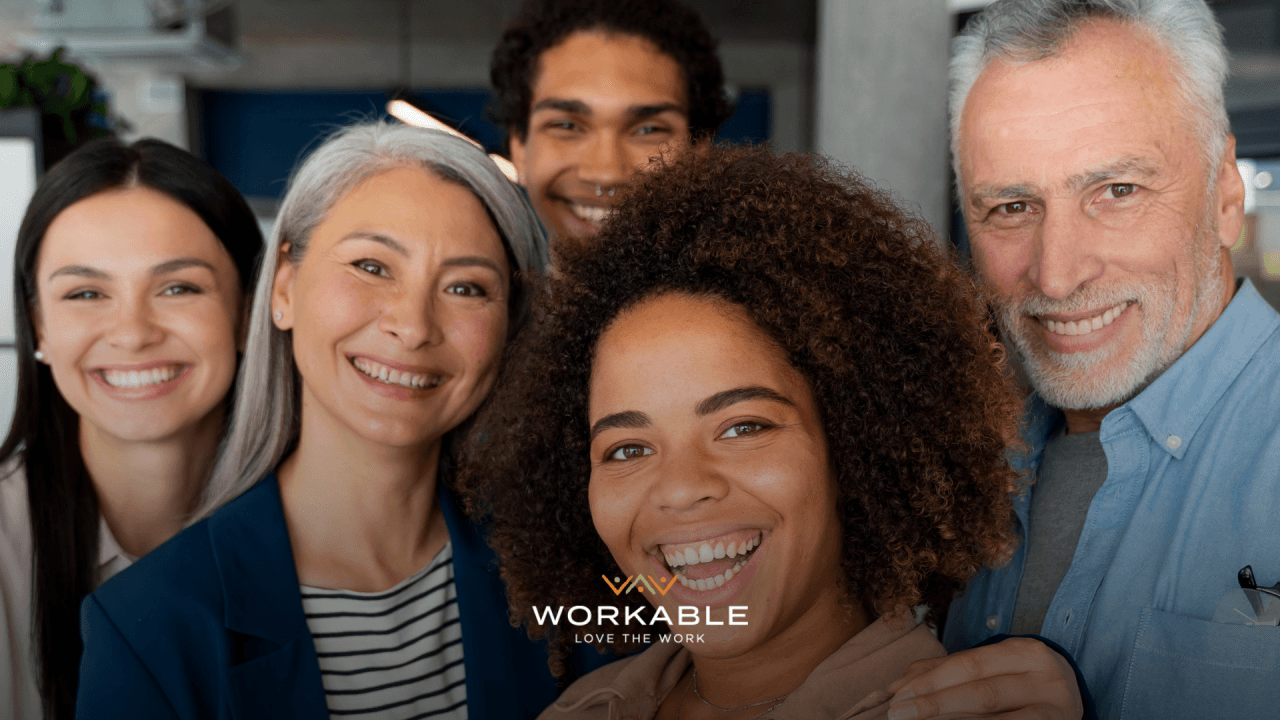
There’s something quietly revolutionary happening in today’s workplaces: four generations are working side-by-side, often on the same projects, in the same meetings, and toward the same goals. From Baby Boomers to Gen Z, the professional landscape has never been more diverse in age, experience, and expectations.
Yet, many leaders are still using a one-size-fits-all approach to communication, collaboration, and culture. The future of work isn’t just hybrid or flexible, it’s multi-generational, and that requires a mindset shift
Different Generations, Different Operating Systems
Each generation comes with its own “code” shaped by the world they grew up in, the tools they were trained on, and the values they hold dear.
Boomers often prize loyalty, structure, and deep expertise.
Gen X brings independence and a practical, no-fuss attitude.
Millennials crave purpose, feedback, and flexibility.
Gen Z expects digital fluency, speed, and authenticity.
These differences don’t have to create friction, but when ignored, they often do.
Leadership Tip: Translate, Don’t Assume
The best leaders today don’t just manage teams, they act as cultural translators. That means:
Adapting communication styles (a quick Slack for Gen Z, a thoughtful check-in for Gen X).
Creating mentorship bridges, not just top-down but cross-generational.
Encouraging psychological safety, so no one feels “too old” or “too young” to speak up.
When done right, generational diversity becomes a strength, not a struggle.
What This Means for Workplace Design
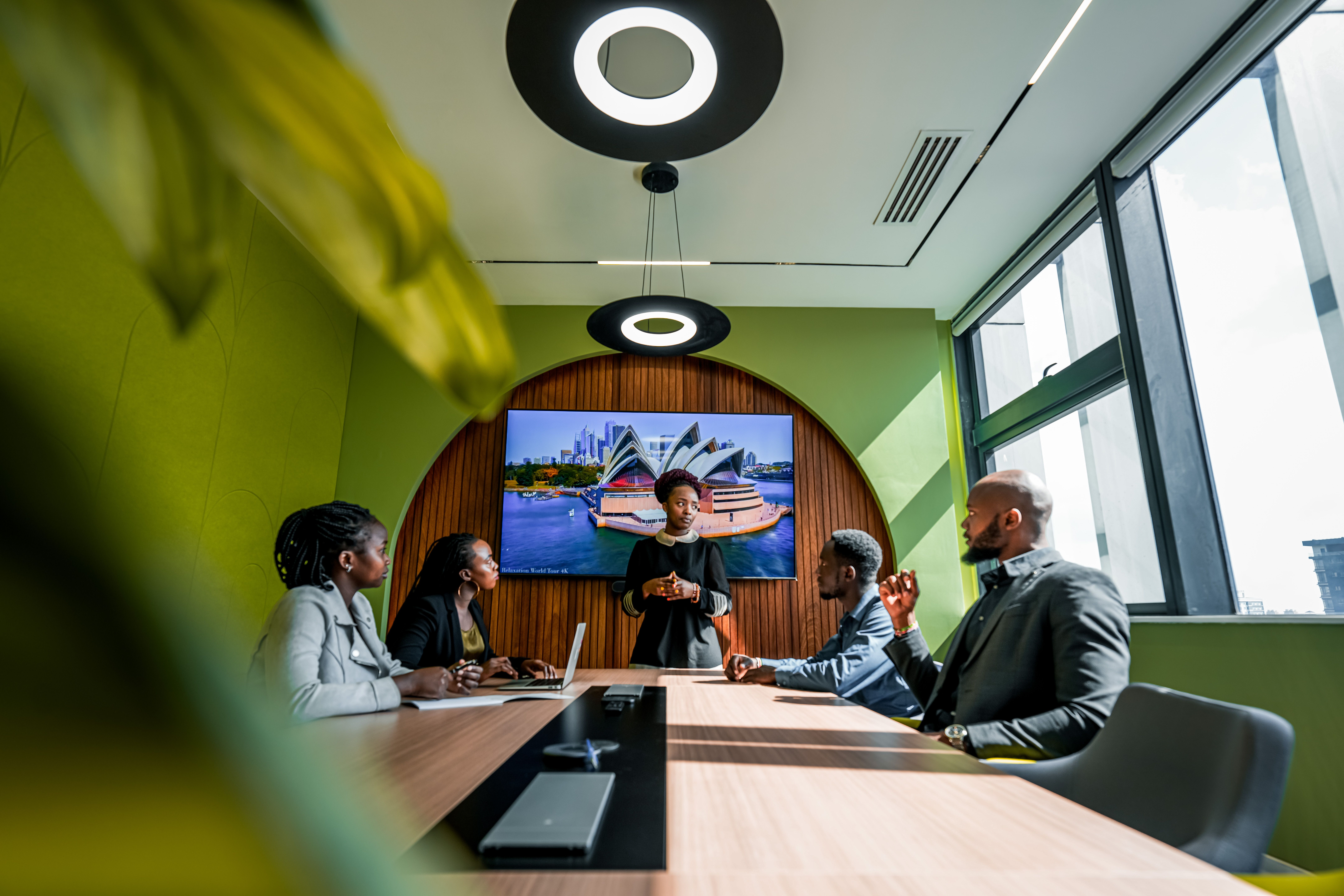
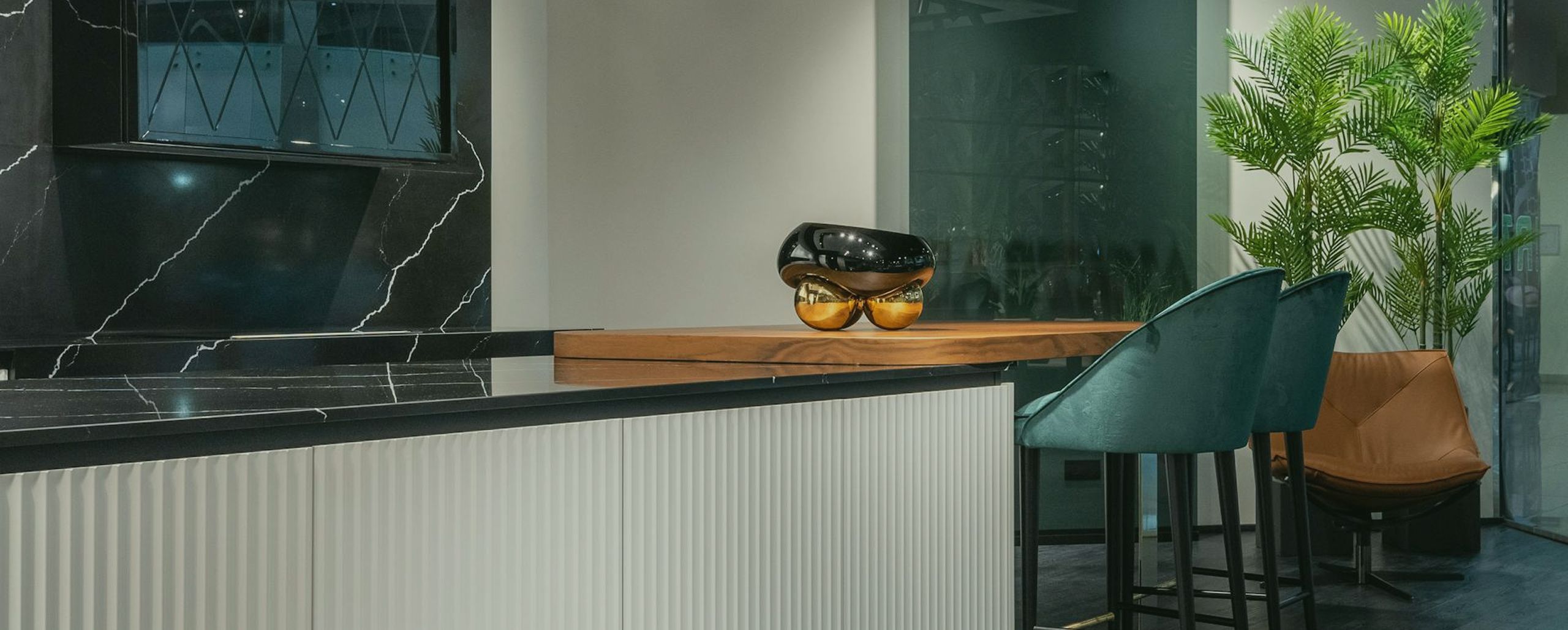
At Workable, we see this play out in real time. Some members need quiet zones and closed meeting rooms. Others thrive in open lounges and collaborative hubs. The same space must serve different preferences, and we’ve found that flexibility in design.
The same principle applies to people: rigid expectations break; flexible cultures adapt and thrive.
Leading across generations isn’t just about age, it’s about empathy, curiosity, and creating room for different styles to shine. The most successful teams aren’t the ones who all work the same way, they’re the ones who know how to work together despite the differences.
What generational differences have you noticed in your workplace, and how have you bridged them? Let’s hear your experience in the comments.